
 By
By 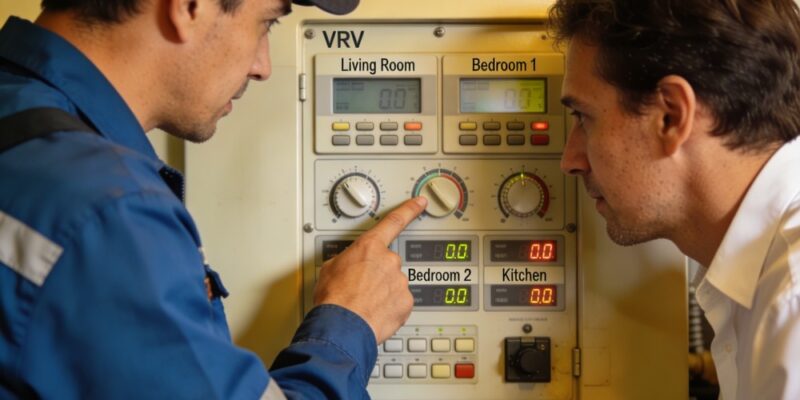
Key Highlights
- VRV systems require contractors with specific technical certifications and factory training.
- Experience in multi-zone configuration is essential for optimal system performance.
- Reliable contractors must offer advanced diagnostic tools for complex refrigerant piping.
Introduction
Variable Refrigerant Volume systems require careful handling because they operate through interconnected components that manage refrigerant flow across multiple indoor units. A VRV air conditioning system allows different zones to maintain independent temperatures, which makes it suitable for larger homes, offices, and hospitality spaces in Singapore. This level of flexibility depends on precise coordination between sensors, valves, and compressors. Because of this complexity, installation and maintenance demand experienced air conditioning contractors who understand how each part contributes to overall performance. When the system is set up correctly, it delivers consistent cooling with efficient energy use. When handled improperly, even small errors can lead to uneven temperatures, reduced efficiency, and recurring maintenance issues that affect long-term reliability.
1. Technical Expertise and System Familiarity
Selecting contractors with relevant technical expertise ensures that the system operates as intended from the beginning. Different VRV aircon system models use specific configurations and control logic, which require familiarity with manufacturer guidelines. Contractors who understand these systems can interpret diagnostic signals accurately and respond to issues without unnecessary trial and error. This reduces the likelihood of misconfiguration during installation and improves the quality of ongoing maintenance. Skilled technicians also follow proper commissioning procedures, which helps stabilise performance across all connected indoor units. When expertise aligns with system requirements, the result is a more predictable and efficient cooling experience.
2. Precision in Piping and Layout Design
The piping network forms the backbone of a VRV air conditioning system, as it distributes refrigerant to multiple zones within a building. Accurate design ensures that each unit receives the correct amount of refrigerant without imbalance. Air conditioning contractors must calculate pipe lengths, diameters, and routing paths carefully to maintain consistent flow. Poor design can create uneven cooling or increase strain on the compressor, which affects overall system efficiency. During installation, proper sealing and testing help prevent leaks that can compromise performance. Attention to detail at this stage supports long-term reliability and reduces the need for corrective work later.
3. Use of Advanced Diagnostic Tools
Modern VRV systems rely on digital monitoring, which means maintenance requires specialised diagnostic tools. These tools allow technicians to assess system performance in real time, including temperature levels, pressure readings, and component behaviour. Air conditioning contractors who use advanced equipment can identify inefficiencies that may not be visible through manual inspection. This approach improves accuracy when addressing performance issues and helps maintain stable operation. Regular diagnostics also support preventive maintenance, which reduces the risk of unexpected breakdowns and keeps the system running efficiently.
4. Structured Maintenance and System Monitoring
Routine servicing plays a key role in preserving the performance of a VRV air conditioning system. Contractors should provide structured maintenance plans that include regular inspections, cleaning, and calibration of components. Over time, dust and wear can affect sensors and airflow, which may lead to inconsistent cooling. Scheduled maintenance ensures that each part of the system continues to function within expected parameters. This approach supports consistent performance and helps maintain energy efficiency. When monitoring remains consistent, the system adapts more effectively to varying usage patterns without compromising comfort.
5. Long-Term Reliability and Performance Stability
A well-maintained VRV system delivers stable cooling across multiple zones without frequent adjustments. Air conditioning contractors who understand system behaviour can fine-tune performance to suit different environments within the same property. This level of control ensures that each area receives adequate cooling without overloading the system. Reliable performance also reduces the need for repeated servicing, which helps manage long-term costs. When each component operates smoothly, the system maintains a balance between efficiency and comfort.
Conclusion
A VRV air conditioning system depends on precision in both installation and maintenance to deliver consistent results. Every stage, from piping design to system monitoring, influences how effectively the system performs over time. Engaging experienced air conditioning contractors ensures that these elements align with operational requirements. With proper handling, the system maintains efficiency, reduces energy use, and provides stable cooling across all connected spaces. Careful selection of contractors supports long-term reliability and protects the investment made in advanced cooling technology.
Contact Airple today to consult experienced air conditioning contractors for your VRV air conditioning system needs.





Comments