
 By
By 
You’re already doing a hundred small things every day to keep your baby fed, calm, and safe, so adding mouth care before there are even teeth can feel like one more thing to remember. A lot of parents are surprised to hear it matters this early, especially when learning about pediatric dental care in Colton, CA. If your baby has no teeth yet, it’s easy to assume there’s nothing to clean. That’s the part that trips people up.
The short version is simple. Cleaning a baby’s gums before teeth come in helps clear away milk residue, gets your baby used to oral care, and sets up healthier habits before brushing becomes part of the routine. It does not need to be complicated, expensive, or stressful. Gentle, regular care is enough.
Cleaning a baby’s mouth before teeth appear helps from the start
Even without visible teeth, your baby’s mouth still collects bacteria and leftover milk or formula. Wiping the gums with a clean, damp washcloth or gauze after feedings, or at least once a day, can help keep the mouth cleaner and more comfortable. It also gives you a chance to notice white patches, irritation, or anything that seems off.
Parents often worry about doing too much or not enough. That uncertainty makes sense. Babies are tiny, their mouths are sensitive, and nobody wants to cause discomfort. The good news is that early mouth care is gentle by design. You are not scrubbing. You are simply wiping the gums, cheeks, and tongue softly.
This matters because oral health starts before the first tooth breaks through. Once teeth appear, they are at risk for decay right away. The habits you build now make that transition easier. The CDC’s oral health tips for children stress that healthy routines should begin early, not after problems show up.
Skipping infant oral care can make the next stage harder
When early mouth care gets skipped, the issue is not that one missed day causes harm. The bigger problem is that babies who never get used to someone touching their mouth often resist brushing later. Then the first teeth arrive, and a task that could have felt normal turns into a struggle. You may already be picturing the head turning, the clenched lips, the crying at bedtime. That pattern starts earlier than most people think.
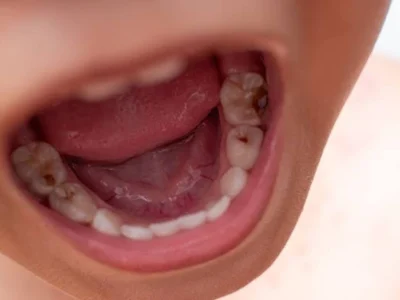
There is also the question of decay. Many parents hear “baby teeth fall out anyway” and assume the early years are less urgent. That belief can lead to delayed care. Cavities in baby teeth can cause pain, trouble eating, sleep problems, and early dental visits that are harder on everyone. The American Academy of Pediatrics guidance on preventing tooth decay in babies explains how quickly decay can start when sugars from drinks and frequent feedings stay on the teeth and gums.
That does not mean you should panic over every bottle or feeding. It means small routines matter. Wiping the mouth, avoiding putting a baby to bed with a bottle unless advised for medical reasons, and starting brushing when the first tooth appears all work together.
Simple daily mouth cleaning works better than overdoing it
You do not need special tools in the early months. A clean, damp washcloth wrapped around your finger is usually enough. Some parents use a soft infant finger brush, which can also work if it is used gently. Water is fine. You do not need toothpaste before teeth appear.
Infant mouth cleaning before teeth is less about technique and more about consistency. Pick a calm time, often after the evening feeding or bath, and make it part of the rhythm of the day. If your baby fusses, keep it brief and gentle. Forcing it tends to make the next attempt harder.
| Approach | What It Looks Like | Benefit | Common Mistake |
|---|---|---|---|
| Clean damp washcloth | Wrap around your finger and wipe gums, tongue, and inner cheeks | Easy, low cost, gentle | Rubbing too hard |
| Infant finger brush | Soft silicone brush used with water | Helps babies adjust to brushing feel | Using it too aggressively |
| No mouth cleaning until teeth appear | Waiting to start oral care | No daily effort in the short term | Harder transition to brushing later |
| Early guidance from a pediatric dentist | Discussing routines, feeding habits, and timing of first visit | Personalized advice and early prevention | Waiting until a problem shows up |
Pediatric dentist guidance can prevent small issues from growing
A pediatric dentist can help you sort out what is normal and what needs attention. That includes questions about teething, thumb sucking, mouth spots, fluoride, and the right time for the first dental visit. If your baby has risk factors for decay, such as frequent night feedings, enamel concerns, or a family history of dental problems, getting clear advice early can save stress later.
Fluoride is one topic parents often hear mixed messages about. It helps strengthen teeth once they come in, and some babies may also benefit from fluoride varnish based on age and risk. The AAP’s fluoride varnish information for parents explains when it may be recommended and why it can help protect new teeth.
Three steps parents can take today for baby oral health
Start one gentle gum cleaning each day. Use a clean, damp washcloth and wipe your baby’s gums, tongue, and cheeks softly. Nighttime is often easiest because it pairs well with bedtime.
Watch feeding habits that raise cavity risk. Avoid letting milk, formula, or juice sit in the mouth for long periods. If your baby falls asleep feeding, clean the mouth when practical and safe once the feeding is done.
Plan ahead for the first tooth and first dental visit. Once a tooth appears, switch to a soft baby toothbrush and use a tiny smear of fluoride toothpaste as advised by your child’s dentist or pediatrician. If you are unsure about timing, a pediatric dentist can guide you based on your baby’s needs.
Early oral care does not need to be perfect to be helpful. It just needs to happen often enough that your baby learns mouth care is normal and safe. That small routine can make the first teeth easier to care for and lower the chance of problems later. If you want help building the right routine for your child, schedule a visit with a pediatric dentist.



Comments