
 By
By 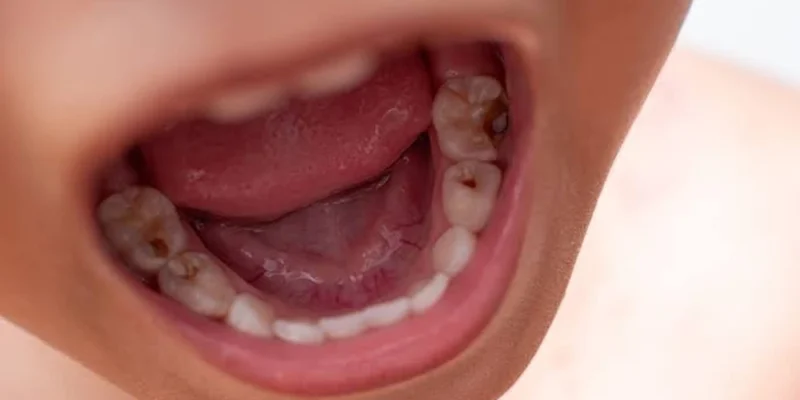
You notice a faint white spot near the gumline, or your dentist mentions the start of a cavity and your stomach drops. You may be thinking, is this already headed toward a filling, or can it be stopped before drilling becomes part of the plan? That worry makes sense. Early tooth decay often feels small on the surface and bigger in your mind, because once you hear the word “decay,” it is hard not to picture cost, discomfort, and permanent dental work. A holistic family dental team in Hopkins can help you understand your options early and take steps to protect your teeth before the problem gets worse.
The good news is that the earliest stage of decay is not always a one way street. A whole body approach to early tooth decay looks at why the enamel started weakening in the first place, then works to support remineralization, lower acid exposure, improve daily habits, and reduce the chance that the weak spot turns into a cavity that needs restoration. The goal is simple. Catch it early, protect the tooth structure you still have, and help your mouth heal when healing is still possible.
Early stage tooth decay starts before you feel pain
Tooth decay begins when acids from bacteria pull minerals out of enamel. The process often starts quietly, long before you feel sensitivity or see a dark hole. The National Institute of Dental and Craniofacial Research explains the tooth decay process as a cycle of demineralization and remineralization. If demineralization wins over time, the enamel breaks down.
That is why early decay matters so much. At this stage, the tooth may show chalky white spots, slight roughness, or mild sensitivity to cold or sweets. There may be no pain at all. You can look in the mirror and think everything is fine while the enamel is slowly losing strength.
A biologic dentist usually pays close attention to those early signs instead of waiting for a larger cavity to form. The focus is less about rushing to drill and more about asking what changed. Has dry mouth become a problem. Are you sipping acidic drinks all day. Did mouth breathing, reflux, frequent snacking, or a new medication shift the balance in your mouth. Those details matter because decay is rarely just bad luck.
A holistic general dentist looks for causes, not just damaged enamel
When a practice offers natural early cavity treatment, the idea is not to pretend decay does not exist. The idea is to respond before the damage gets deeper. That often includes a close exam, low radiation imaging when needed, risk assessment, and a review of diet, saliva flow, oral hygiene habits, and health history.
If you are prone to dry mouth, for example, enamel has less protection because saliva helps neutralize acids and bring minerals back to the tooth. If you snack often, your mouth may stay acidic for long stretches. If you brush hard with the wrong technique, you can irritate the gumline and make weak areas easier to miss. A good plan connects these dots instead of treating the tooth as if it exists apart from the rest of your body.
Fluoride is often part of this discussion because it helps make teeth more resistant to acid and can support remineralization. The CDC outlines the benefits of fluoride for cavity prevention, and the NIDCR also explains how fluoride protects teeth. Some patients want fluoride options. Others ask about alternatives because of personal preferences or sensitivities. A patient centered dentist should explain both the evidence and the available choices clearly, then build a prevention plan that fits your needs.
Early intervention can prevent a small problem from turning expensive
This is where many people feel stuck. You want to avoid unnecessary treatment, but you also do not want to wait too long and end up needing a larger filling, a crown, or root canal care later. That concern is valid. Early stage decay is the window where conservative care has the best chance to work.
If the enamel surface is still intact, remineralization strategies may help arrest or reverse the damage. That can include targeted hygiene changes, mineral based products, fluoride when appropriate, xylitol, diet changes, and more frequent monitoring. If the tooth already has a physical break in the enamel, a filling may still be the better option because bacteria can keep moving inward. The key is accuracy. You need to know whether the area is weakened, cavitated, or actively progressing.
Preventive dental care for tooth decay is often less costly than waiting. It also protects more of your natural tooth. Once enamel is drilled away, it does not grow back. Conservative dentistry tries to preserve that structure whenever possible.
Daily care and professional treatment serve different roles
| Approach | What It Can Help With | Limits |
|---|---|---|
| Home care changes | Improving brushing, flossing, diet, saliva support, and acid control | Cannot confirm depth of decay or repair a cavitated tooth |
| Remineralizing products | Supporting early enamel repair when the surface is still intact | Works best only in very early stages and with steady use |
| Professional monitoring | Tracking suspicious spots before they worsen | Requires follow up and honest risk assessment |
| Minimally invasive filling | Stopping progression once a cavity has formed | Removes some natural tooth structure |
This balance matters in real life. If you have a white spot lesion near the gumline, tighter home care and remineralization may be enough. If food catches in the area and the enamel has opened, waiting can cost you more later. Good care does not push the same answer on every patient. It matches the treatment to the stage of damage.
Three steps you can take right away
1. Get the spot evaluated early. Do not wait for pain. Early decay often stays silent. A focused exam can tell you whether the area is reversible, stable, or already needs restoration.
2. Lower the acid load in your mouth. Cut down on frequent snacking, soda, sports drinks, and constant sipping of anything acidic or sweet. If you eat or drink those items, have them with meals instead of all day long.
3. Build a remineralization routine. Brush twice a day with a dentist recommended toothpaste, clean between teeth daily, and ask which products make sense for your risk level. If dry mouth is part of the problem, address that directly rather than hoping better brushing alone will fix it.
Protecting your teeth early gives you more options
Hearing that decay has started can feel discouraging, but early stage damage often gives you room to act before the problem gets larger. The best approach is careful diagnosis, honest prevention, and treatment that protects as much healthy tooth as possible. If you have noticed a suspicious spot, sensitivity, or changes in your teeth, schedule an appointment with a holistic general dentist and get a clear plan before early decay turns into a bigger repair.





Comments